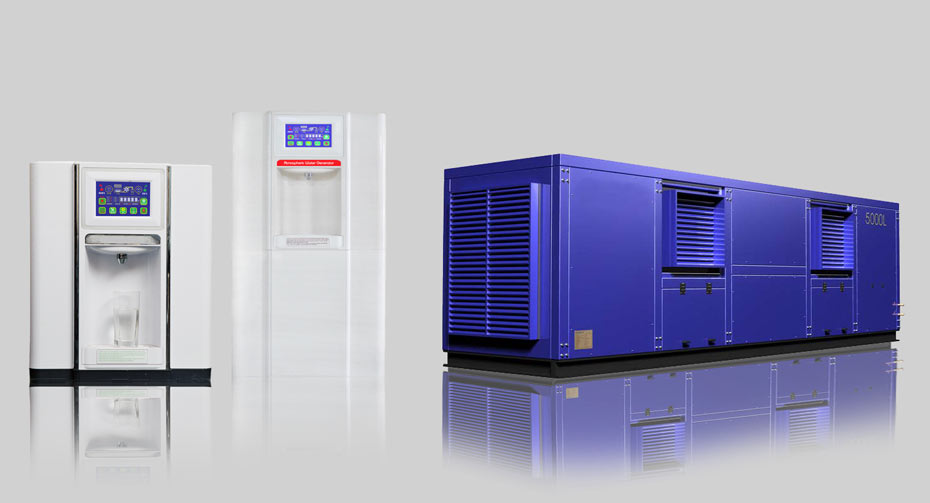
Atmospheric water generators are often compared using their rated litres-per-day capacity. That number is useful for comparing models, but it should not be mistaken for a guaranteed amount of water every day, regardless of conditions.
Why does humidity matter?
Water-from-air technology relies on moisture carried by ambient air. When the air contains less recoverable moisture, a condensing water generator may collect less water over the same period. Temperature also affects how much vapour air can hold, so humidity and temperature need to be considered together.
Rated output versus real operation
Specifications commonly quote capacity against particular test conditions. For example, many WatAir product specifications identify the temperatures and humidity levels used for a rated output. Those values help with comparison but do not replace an assessment of the actual installation environment.
Seasonal changes, operating hours and equipment configuration can all influence practical output. A thoughtful design begins with how much water is required, when it is needed and what environmental conditions are likely at the site.
A better way to select capacity
Start by estimating daily consumption and any peak demand. Then consider operating temperature, relative humidity, access to power, available space, water storage, treatment and maintenance. In a larger installation, the surrounding water supply strategy also matters.
See our full range of atmospheric water generators, or contact WatAir to discuss a system against the conditions in which it would actually operate.